Brailes CofE Primary School
PSHE
Brailes PSHE Long Term Curriculum Plan 2026-28
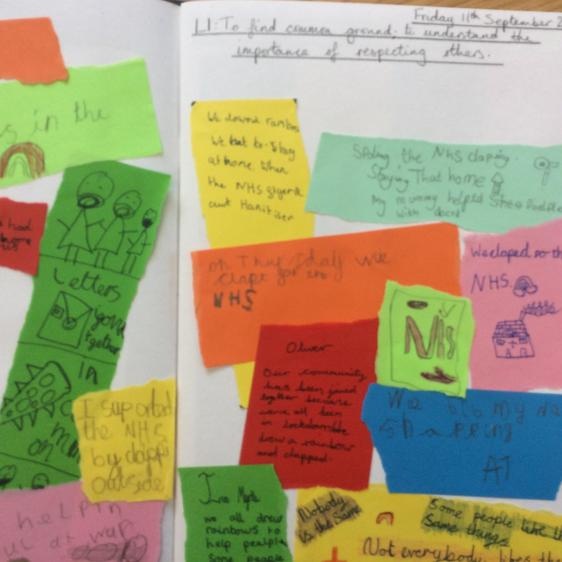
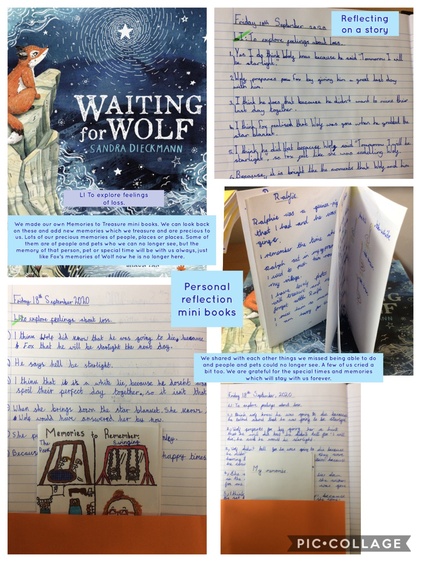
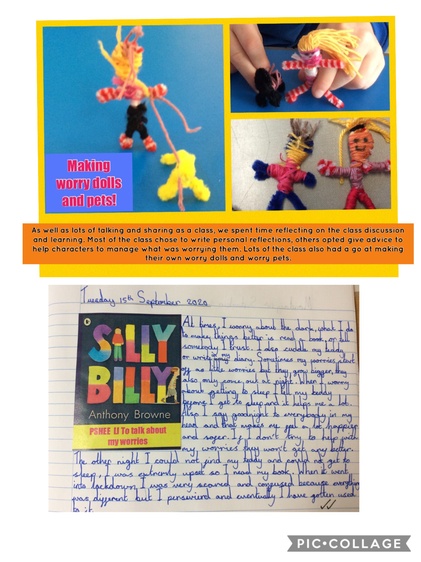
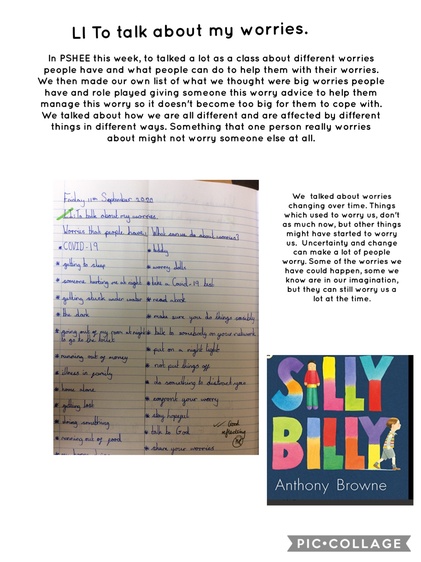
PSHE Curriculum at Brailes
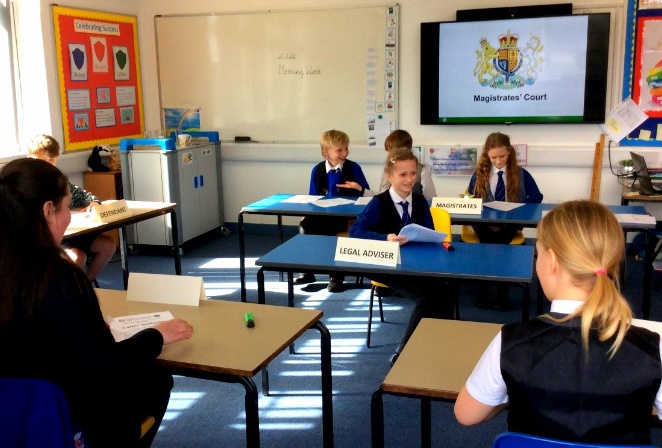
At Brailes CE Primary School, our PSHE Intent is to provide an inclusive, relevant, and future-facing curriculum that broadens horizons and empowers pupils to become "life-ready," responsible members of the global community. We aim to foster an environment where children see the endless possibilities for their futures and understand the vital link between their learning today and the world of work tomorrow.
Our curriculum is built upon the following core pillars:
-
The Unifrog Curriculum: We utilise the Unifrog PSHE and Careers spiral curricula to provide a cohesive and balanced programme for personal development and well-being. This ensures that British values, SMSC, and statutory Relationships and Health Education are fully embedded, preparing our pupils effectively for adulthood and life in modern Britain.
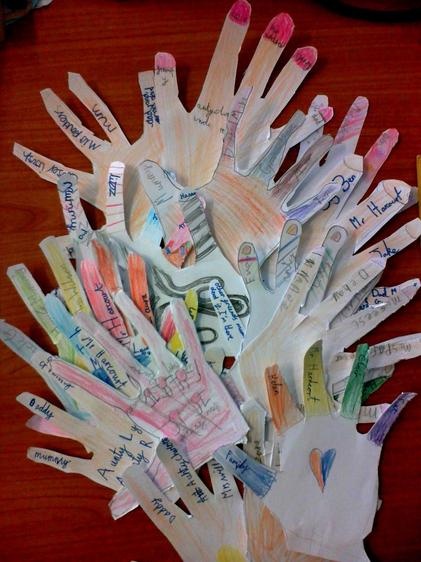
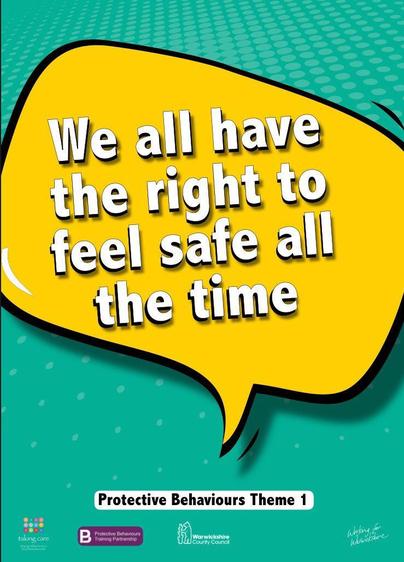
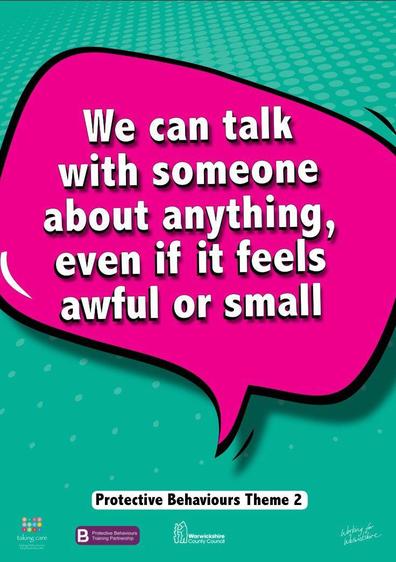
- Safety and Resilience (Protective Behaviours): We continue our long-standing commitment to the Taking Care Protective Behaviours curriculum. We empower our children with two key messages: that they have the right to feel safe all of the time, and that they can talk with someone about anything, no matter how small it may seem.
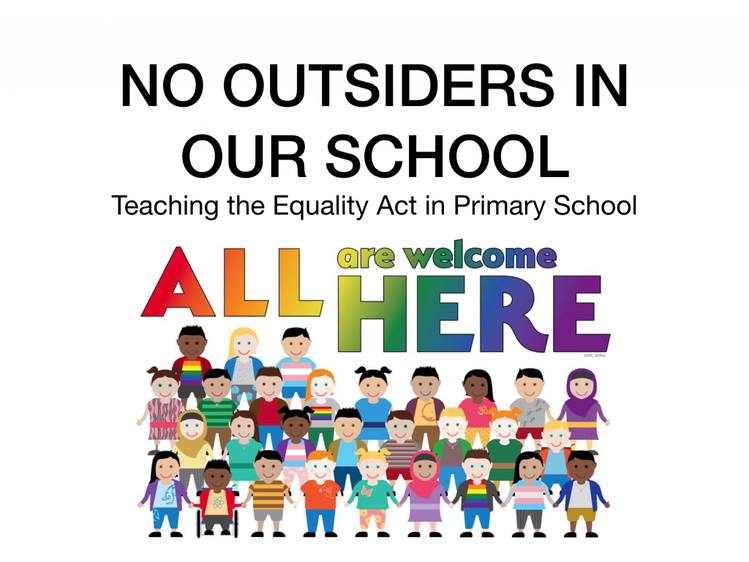
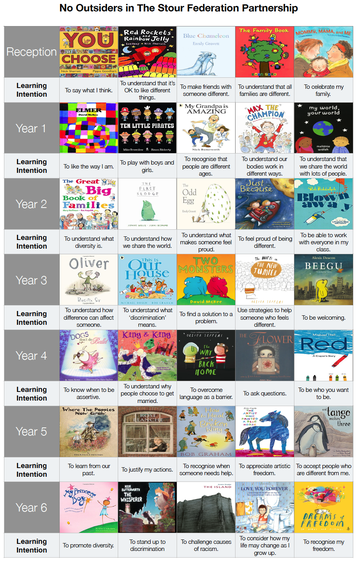
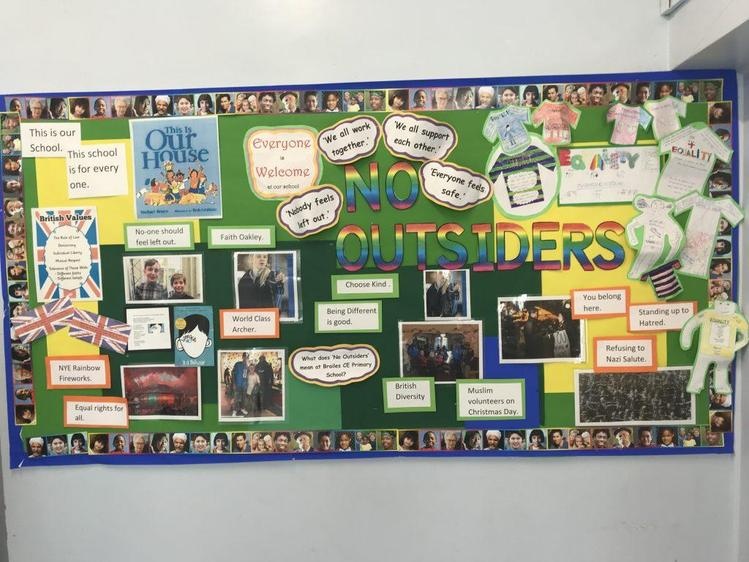
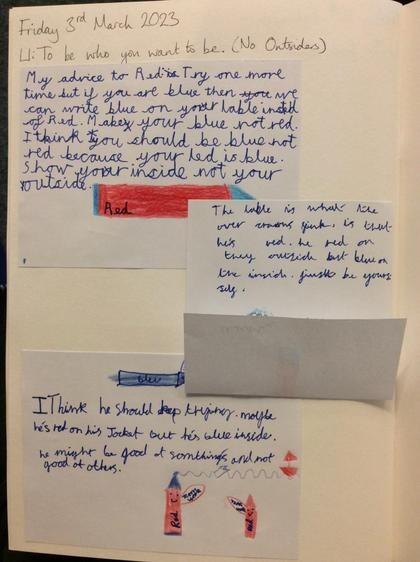
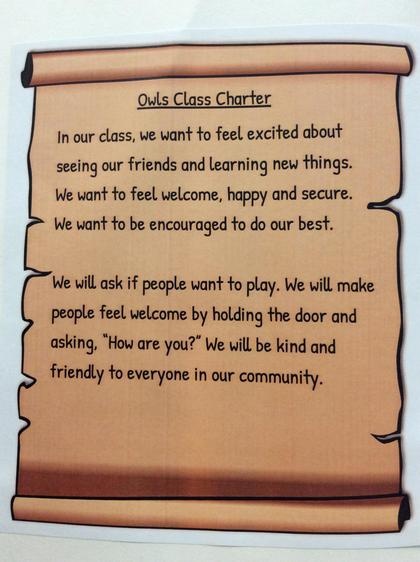
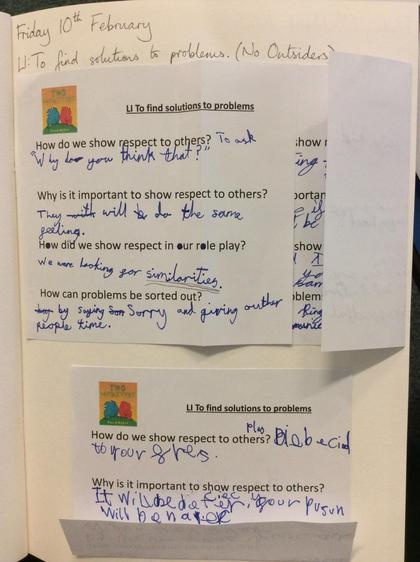
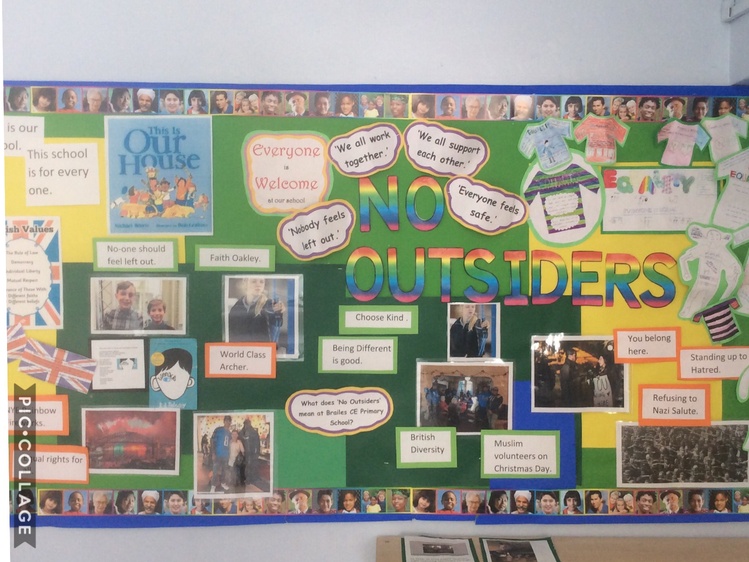
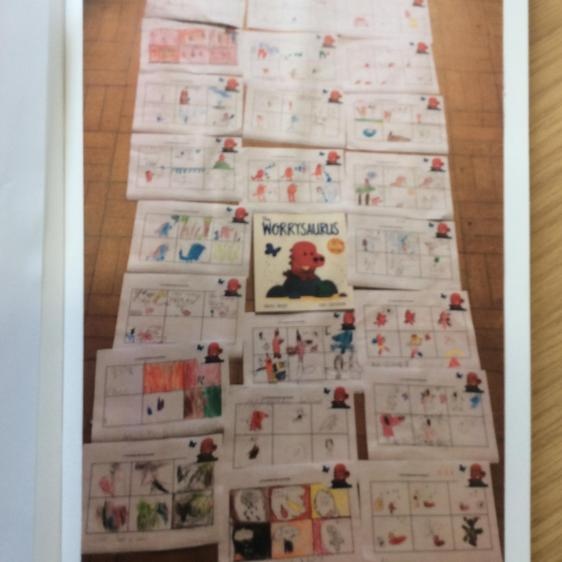
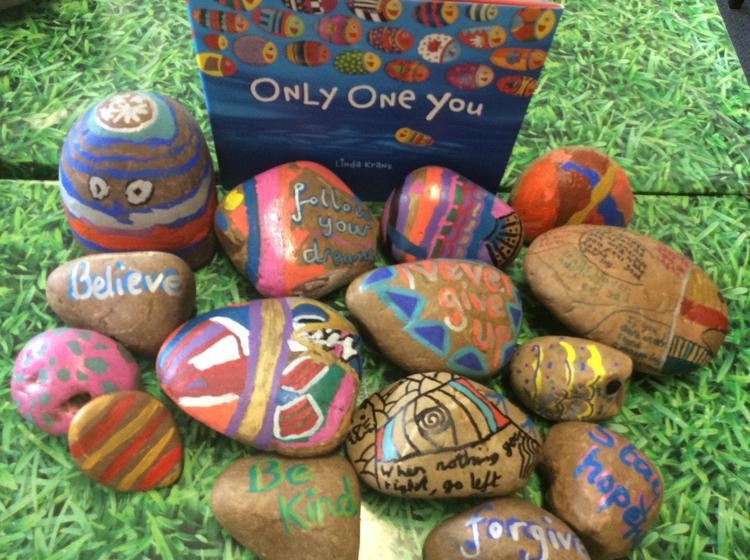
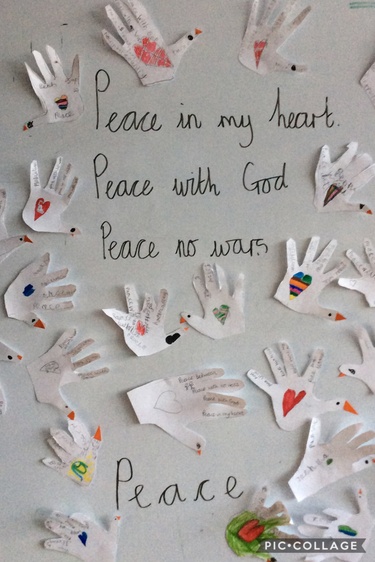
- Inclusion (No Outsiders): In line with our "No Outsiders" ethos, we celebrate diversity and teach our children to respect and value different perspectives, ensuring that everyone feels they belong within our school and the wider world.
-
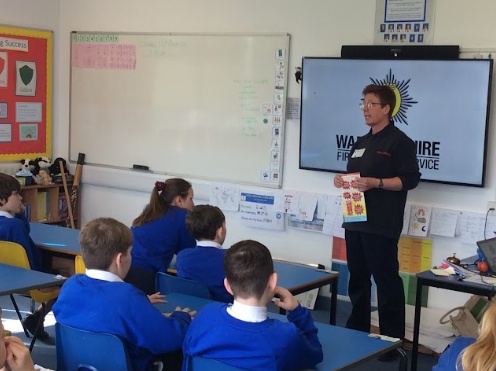
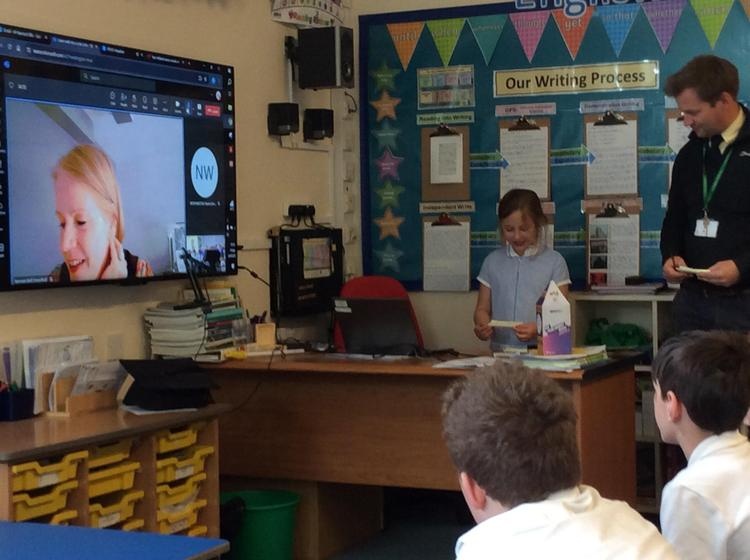
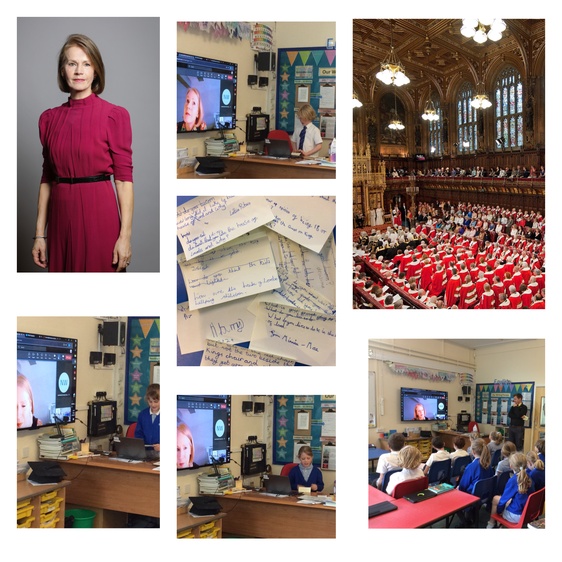
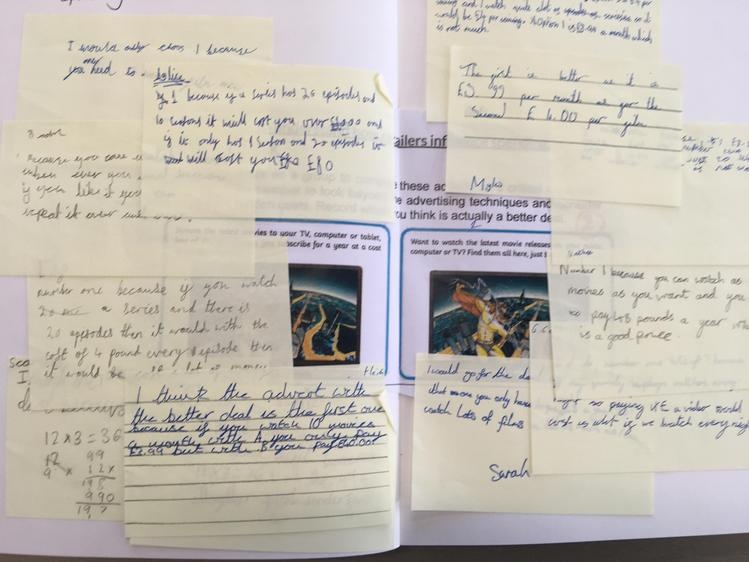
Inspiring Future Careers: Building on the success of our 2026 careers assemblies, alongside Unifrog, we have placed a renewed focus on economic well-being and careers education. By continuing to invite members of our community to share their professional journeys, we nurture our pupils' talents and interests, helping them to acquire the knowledge and motivation they need to achieve and thrive in later life.
Through this comprehensive approach, we aim to equip every child with the emotional intelligence, safety strategies, and "life-ready" skills necessary to navigate their future with confidence and creativity.
Zones of Regulation
Zones of Regulation
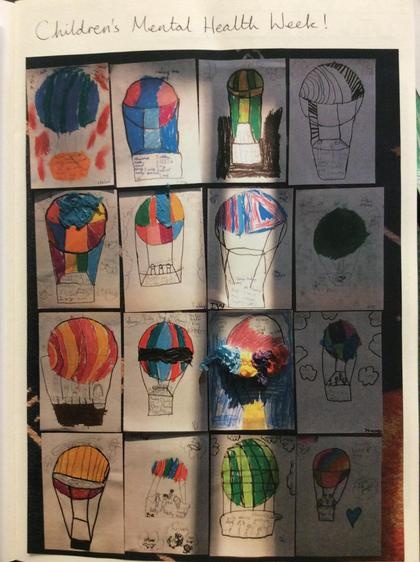
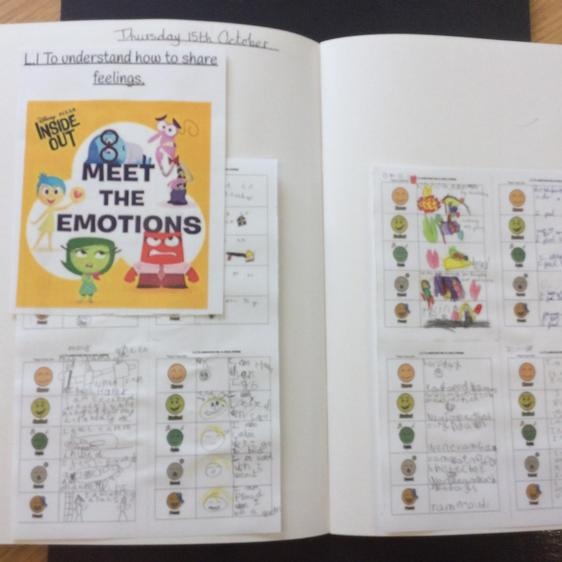
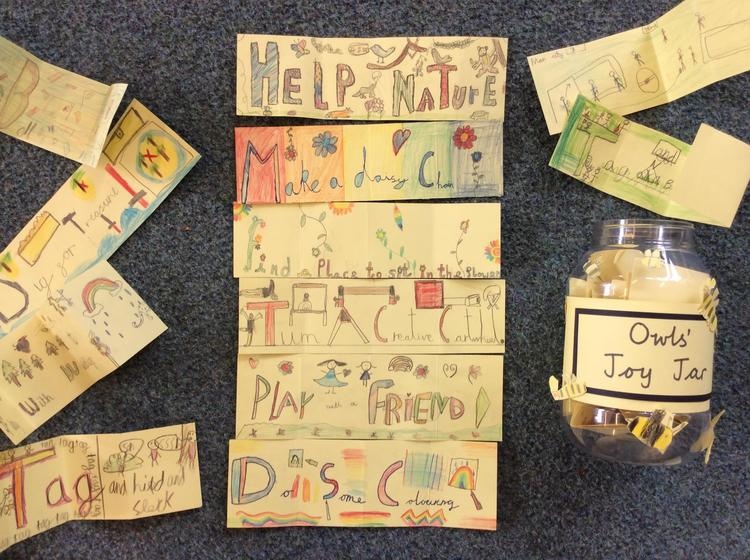
Alongside the Unifrog PSHE scheme, the children learn about Zones of Regulation. This is a framework that supports children by categorising their emotional states into four distinct, colour-coded zones and equipping them with actionable tools to manage each state. By teaching children to recognise whether they are in the Blue (low alertness), Green (calm/focused), Yellow (heightened alertness), or Red (intense emotions) zone, the programme provides a simple vocabulary to express complex feelings. It empowers children to build a personalised coping toolkit tailored to each zone, using active strategies like deep belly breathing or mindful stretching to regain focus when they feel anxious or hyperactive. Children also learn to use sensory resources, such as fidget items to stay grounded or a quiet calm-down corner to process overwhelming feelings. Ultimately, this framework helps children build vital self-awareness and independently choose the right tools to safely navigate daily challenges and return to a balanced state.
Taking Care Protective Behaviours Curriculum
Brailes CE Primary School is one of over 200 schools in Warwickshire who are incorporating this preventive child safety curriculum as part of their PSHE (Personal, Social and Health Education) provision across all year groups. It is our twelfth academic year of using the Taking Care materials and it is used widely in other parts of the United Kingdom and also in Australia, New Zealand, Canada and the USA.
Established in 1999 by a variety of agencies in Warwickshire and led by Ann Seal at Warwickshire Local Authority, Protective Behaviours is a safety awareness and resilience building curriculum which helps children and adults to recognise any situation where they feel worried or unsafe, such as feeling stressed, bullied or threatened and explores practical ways to keep safe. Protective Behaviours also looks at identifying support networks for times when we need someone to listen and help.
Protective Behaviours is based on two key messages:
- We all have the right to feel safe all of the time
- We can talk with someone about anything, even if it feels awful or small.
Protective Behaviours is a practical down to earth approach to personal safety and mental health. It is a process that encourages self-empowerment and brings with it the skills to raise self-esteem and to help avoid being victimised. This is achieved by helping individuals to recognise and trust their intuitive feelings (Early Warning Signs) and to develop strategies for self-protection.
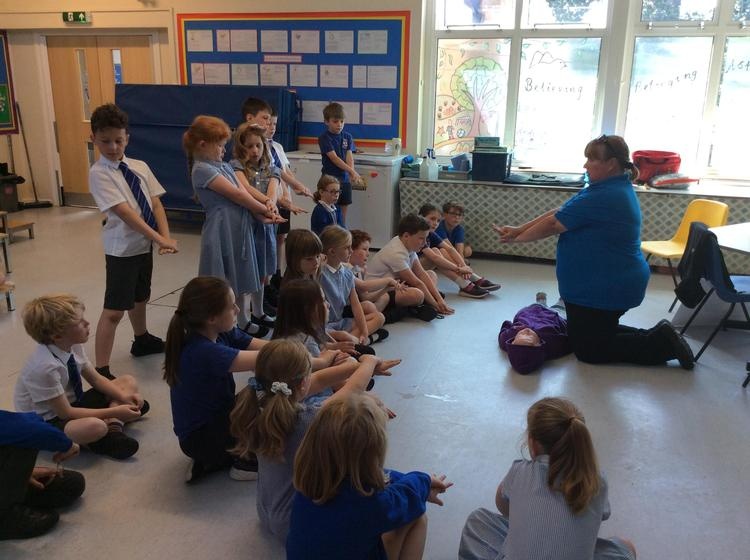
There are separate programmes of learning for all year groups so that lessons are not repeated and more importantly, content is appropriate to the age and maturity of the children. All classes will be taking part in one “Taking Care” lesson each week for 4 weeks in Autumn 2. Please do ask your children about what they are doing and have discussions with them about all aspects of safety - your interest and encouragement will make a big difference to their learning.
No Outsiders